Traditional Feng Shui vs. Western Feng Shui: What Are the Differences?

Traditional Feng Shui vs. Western Feng Shui: What Are the Differences?

In 2019, Feng Shui remains an art unknown to most people.

Those who want to take a closer interest should know that there are two main forms: Traditional Feng Shui and Western Feng Shui. Today, we will explore what sets them apart. What does the word Feng Shui mean. Feng Shui literally means “Wind and Water.” The wind represents energy dispersed in all directions and the water represents the concentration of this energy brought by the wind.

Very Different Origins

First of all, traditional Feng Shui is a Taoist science that is several millennia old. It was born from an observation: the presence of water and the climate alone could not explain why a city prospered or declined. The elites then sought to understand how the shapes of the landscape or the positions of people could also influence the future of a city. Western Feng Shui, sometimes called “New Age Feng Shui,” gained popularity in the United States in the mid-1970s. It is a  simplified version of traditional Feng Shui, created on the premise that some of the principles of the traditional form were too far removed from the way Westerners live.

A Different Relationship with the Environment

Traditional Feng Shui places real importance on the environment. When analyzing a home, the surroundings are considered a major influence and must be observed carefully. Western Feng Shui, on the other hand, gives less importance to the environment, as its analysis is generally limited to the Four Symbolic Animals and the possible presence of water.

A More or Less In-Depth Analysis of the Home

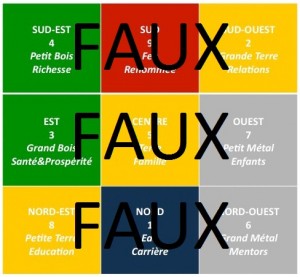
Traditional Feng Shui analyzes both the home and its environment from all angles. The main entrance is carefully measured and interpreted, and the floor plan is meticulously studied. Depending on the goal to be achieved, a favorable location to activate is determined based on the Gua number. Traditional Feng Shui places great importance not only on positioning but also on the orientation of the person. It is even possible to create « Water Dragons » to amplify the effects. Western Feng Shui, by contrast, measures the entrance and then uses a grid to determine which location to activate to achieve a given goal. In other words, it relies on a very simplified analysis of the home, and the positioning of people is not taken into account.


There are therefore significant differences between traditional and Western Feng Shui. The former is much more powerful and, above all, highly personalized. It also produces significant results that Western Feng Shui does not achieve.

Product added to wishlist