The principles of Feng Shui were first used to determine the best locations for building sanctuaries or finding the most fertile land. At that time, only the powerful had access to the services of Feng Shui masters. In 1406, the Forbidden City in Beijing was built in a way intended to bring happiness and prosperity to the emperor. Even today, the Chinatowns of major world capitals rely on Feng Shui, and its principles are sometimes cited as one explanation for the success of places such as Hong Kong, Taiwan, and Singapore.
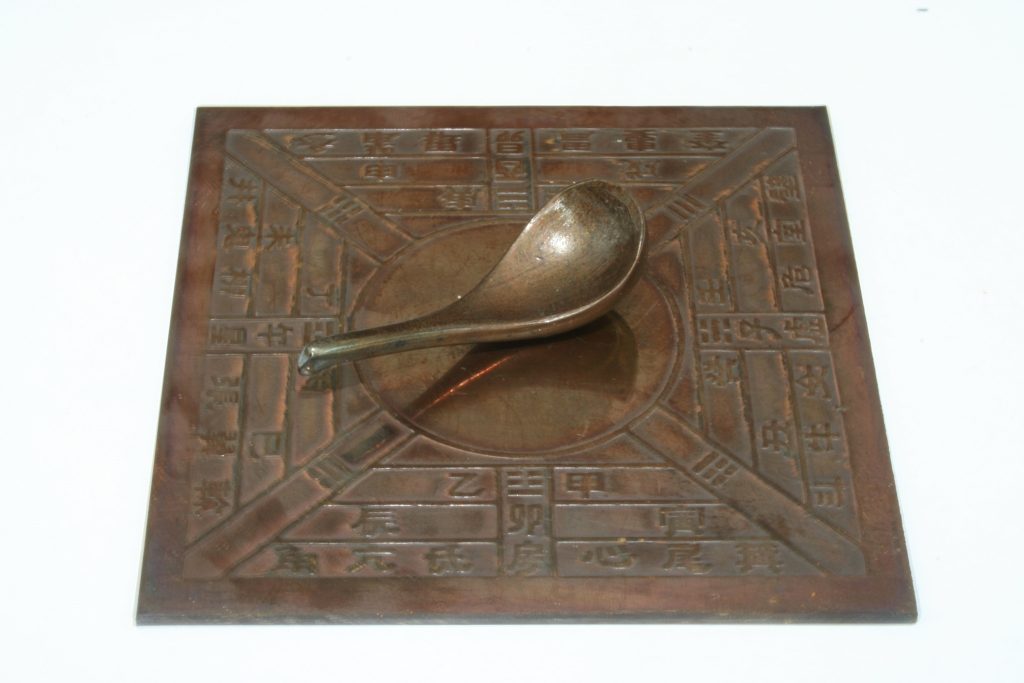
Between its origins and its present-day use, Feng Shui has evolved considerably. It has become more systematic and developed into several different schools. For example, in the 10th century, a distinction appeared between the practices of Yinzhai and Yangzhai the residence of the dead and the residence of the living. Later, other approaches emerged, such as the Form School and the Compass School. Feng Shui has also experienced periods of decline when it was banned by the authorities. This occurred during the Yuan dynasty and again at the founding of the People's Republic of China in 1949. Fortunately, the Chinese people were never willing to abandon this beneficial art.
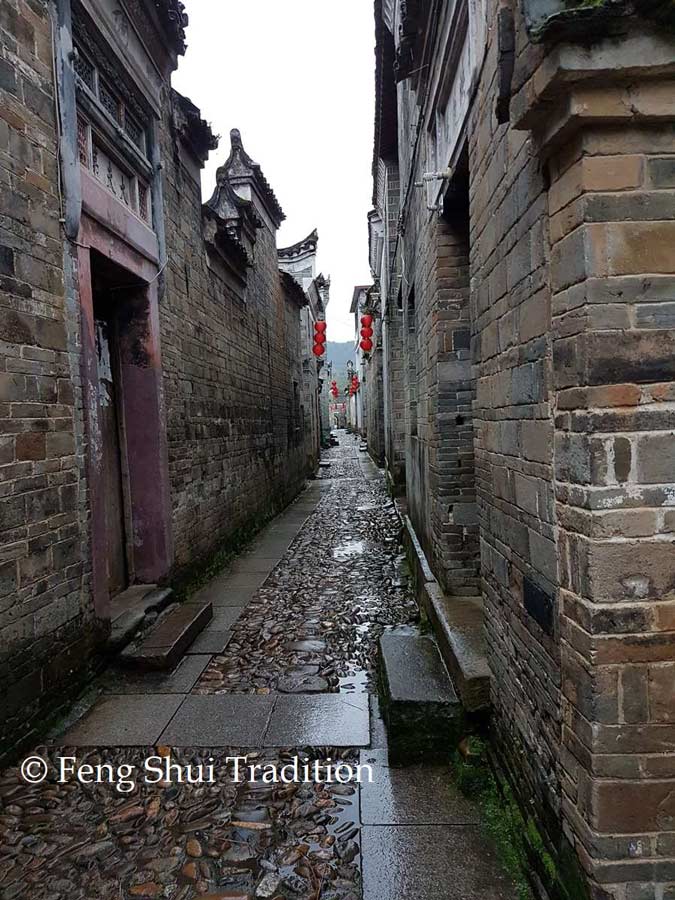
In Yudu, in Jiangxi, there is even a street where around twenty Feng Shui masters have practiced for several hundred years.