




Shopping Cart
The direction of the 24 mountains in Ba Zhai
Evolution over time
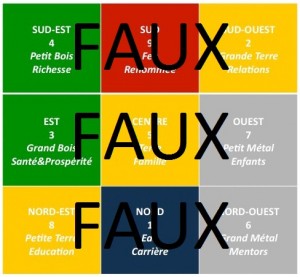
In 2005, when people searched for information about Feng Shui on the internet, they could only find information about so-called “Western” Feng Shui. At that time, Western Feng Shui only referred to sectors such as wealth, family, and so on. The same was true in 2010. However, over time, a part of traditional Feng Shui was added, which speaks about sectors such as Sheng Qi, Tian Yi, Yan Nian, and others. As the number of trained practitioners increased, more and more articles began referring to these sectors and their meanings. Unfortunately, this popularization has led to the loss of many of the subtleties of Ba Zhai.
Ming Gua and the sectors
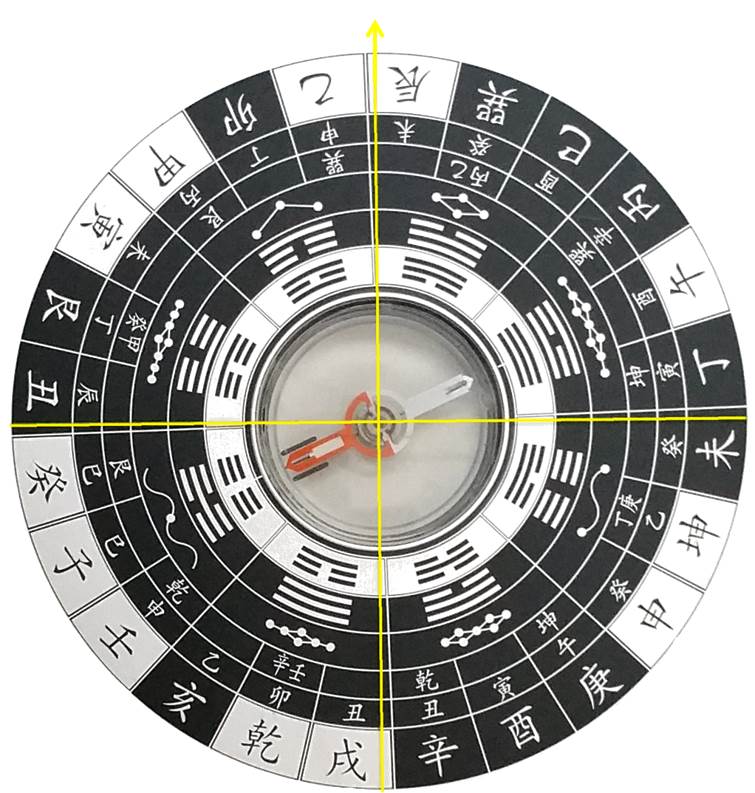
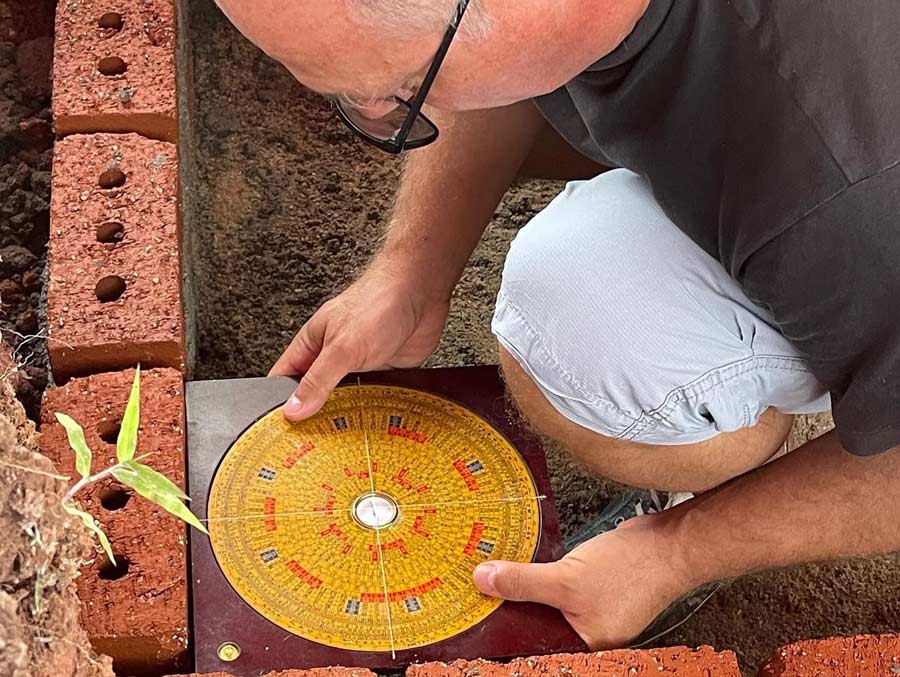
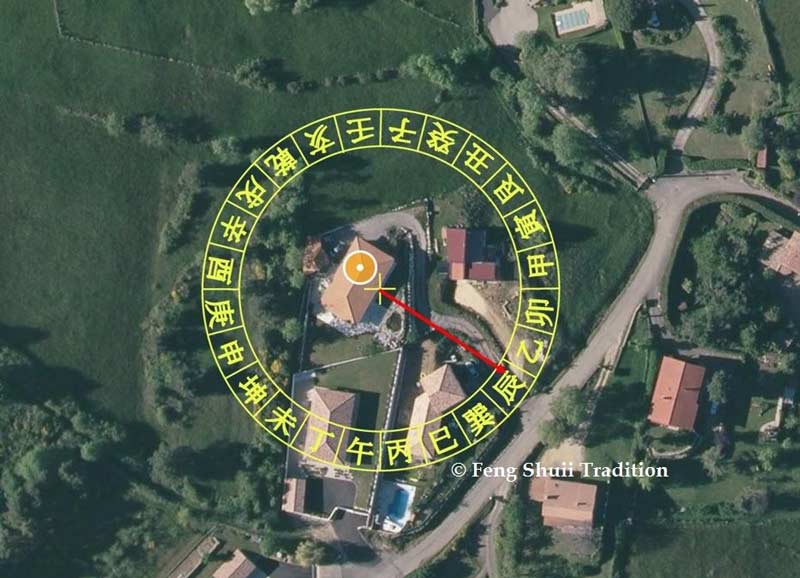
The calculation of the Ming Gua has already been discussed. We have also seen how to divide our house, shop, business, etc., into 9 equal sectors. Each sector carries a specific energy depending on our Ming Gua. But is it possible to orient ourselves toward the sectors that have been identified? Directions are measured with a Luo Pan, which gives us a precise degree. The direction indicated corresponds to one of the 24 “mountains.” But what are these 24 mountains used for? In traditional Feng Shui, the sectors correspond to a location, and a direction—beneficial or harmful—corresponds to one of the 24 mountains.
What is found in courses, but not in articles
In traditional Feng Shui courses, we explain that directions do not correspond to the sectors, but to the 24 mountains. However, some people believe that these mountains are useless, and therefore see no point in having a Luo Pan. Why blame them, given that part of their learning is missing? After all, these mountains must serve a purpose!