The History of Feng Shui: Yang Gong Feng Shui, Traditional, and Western

The History of Feng Shui: Yang Gong Feng Shui, Traditional, and Western

Feng Shui, with its various developments throughout the course of human history (Yang Gong Feng Shui, Traditional Feng Shui and Western Feng Shui) enjoys great popularity today. Of course, in the Western world people are increasingly interested in the sense of well-being that this ancient art can bring. However, before becoming a decorative trend in our interiors, Feng Shui went through a long history that we propose to briefly retrace here.

The Origins

The earliest known traces date back about 3,000–3,500 years. However, this is difficult to date precisely because, like most knowledge in ancient China, transmission was entirely oral at the time. Although engravings proving the use of Feng Shui have been found dating from the 17th century BCE, the first written records did not appear until around 250 BCE, following the invention of paper by the Chinese.

Feng Shui originates from Kan Yu (the Way of Heaven and the Way of Earth). Its original purpose was to use the natural energies of the environment to promote healing and longevity.

The Evolution of a Millennia-Old Art

The principles of Feng Shui were first used to determine the best locations for building sanctuaries or finding the most fertile land. At that time, only the powerful had access to the services of Feng Shui masters. In 1406, the Forbidden City in Beijing was built in a way intended to bring happiness and prosperity to the emperor. Even today, the Chinatowns of major world capitals rely on Feng Shui, and its principles are sometimes cited as one explanation for the success of places such as Hong Kong, Taiwan, and Singapore.

Between its origins and its present-day use, Feng Shui has evolved considerably. It has become more systematic and developed into several different schools. For example, in the 10th century, a distinction appeared between the practices of Yinzhai and Yangzhai the residence of the dead and the residence of the living. Later, other approaches emerged, such as the Form School and the Compass School. Feng Shui has also experienced periods of decline when it was banned by the authorities. This occurred during the Yuan dynasty and again at the founding of the People's Republic of China in 1949. Fortunately, the Chinese people were never willing to abandon this beneficial art.

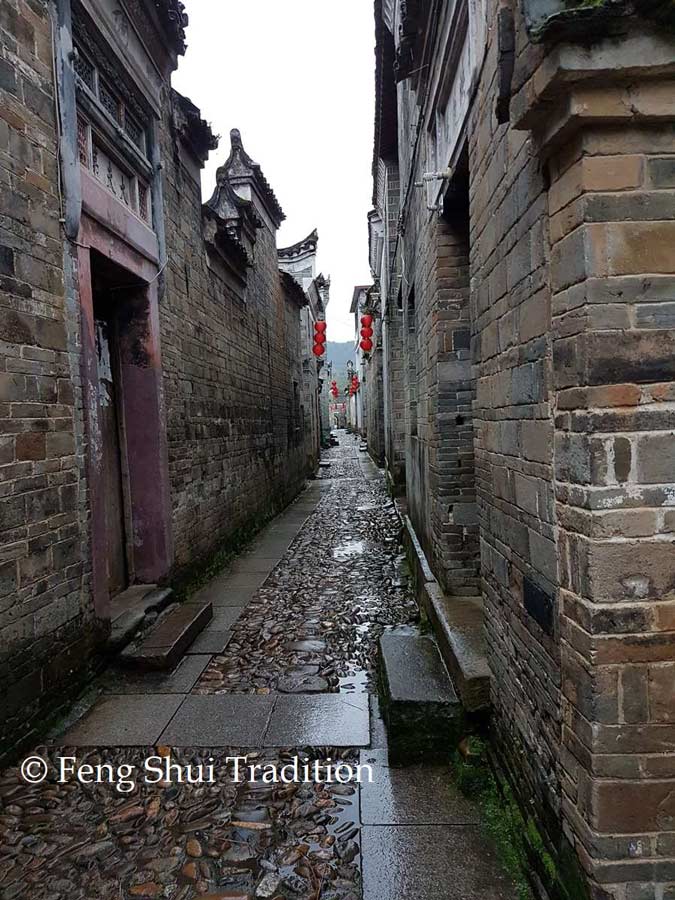
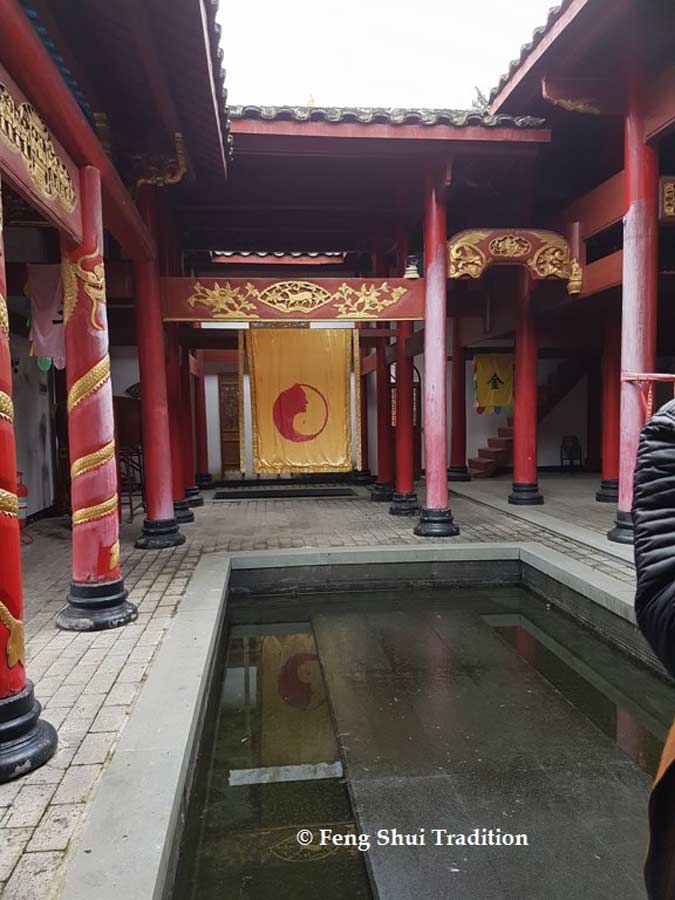
In Yudu, in Jiangxi, there is even a street where around twenty Feng Shui masters have practiced for several hundred years.


Today

Nowadays, there are three main forms of Feng Shui:

•  Western or New Age Feng Shui, often called “the people’s Feng Shui” in China.

• Traditional Feng Shui, which is becoming increasingly well known and offers a more personalized approach.

• Yang Gong Feng Shui, it is little known but considered the most powerful.

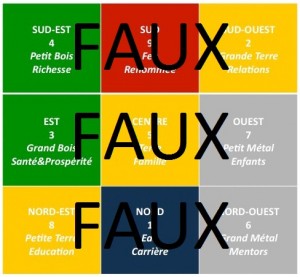
The so-called Western Feng Shui speaks mainly about colors and decoration, career or fame sectors, mirrors, and similar elements. It is the “easy” Feng Shui that we often find in magazines.

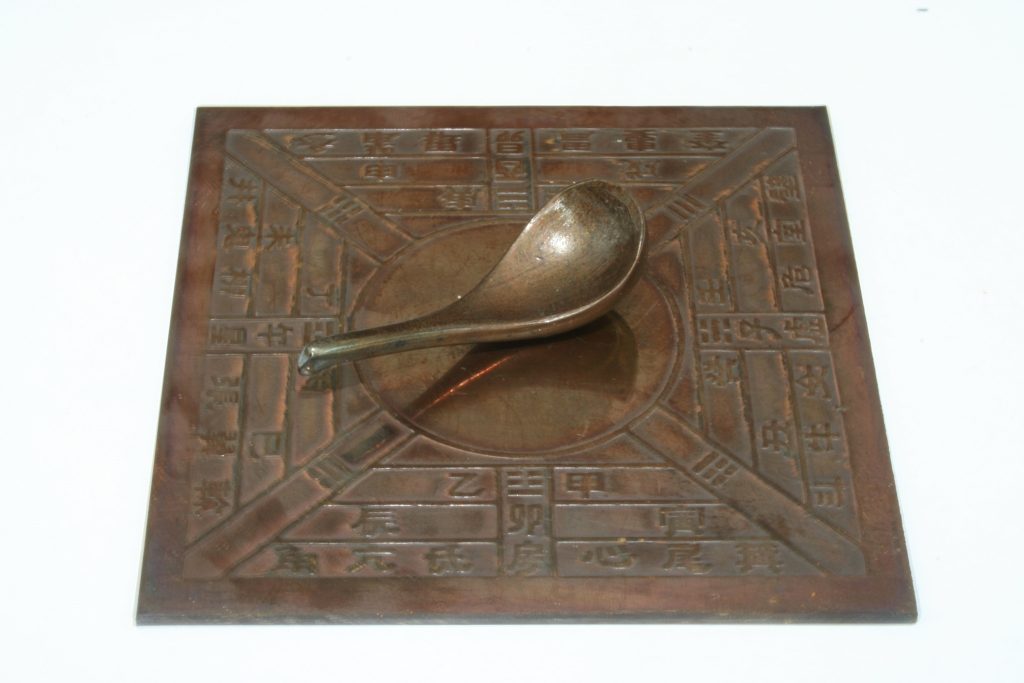
Traditional Feng Shui is more personalized and is becoming increasingly well known. Inside our living space, depending on our date of birth and the date we moved in, it is possible to determine the best location and the best direction for each person in the home. Measurements of our immediate environment also allow us to identify beneficial or harmful influences that affect our lives. The surrounding environment is also analyzed. All these measurements are taken using a  Luo Pan, both inside houses and outdoors.

The oldest and least known in the West is Yang Gong Feng Shui, derived from the teachings of Yang Yunsong. It is considered the most powerful because it produces the strongest effects. It was the system used by Chinese emperors. They used it to build the imperial city, including the Forbidden City, and to position the tombs of the Ming dynasty emperors.… This system takes into account distant environmental energies, sometimes even several kilometers away.

Product added to wishlist