The 4 Celestial Animals in Traditional Feng Shui

The 4 Celestial Animals in Traditional Feng Shui

The 4 Animals in Feng Shui are part of the environment. In Feng Shui, the environment plays a fundamental role. It represents between 70% and 80% of the overall influence. Within these 70–80%, we include, among other things, the forms of the surrounding landscape and compass measurements taken with the Luo Pan. In  traditional Feng Shui as well as in Yang Gong Feng Shui, the study of the 4 Celestial Animals is part of a method called Xing Fa 形法.

In Chinese astronomy, the sky is divided into 28 constellations grouped into four sectors: the Black Tortoise, the Green Dragon, the Red Phoenix, and the White Tiger. These four celestial animals were chosen to symbolize the qualities of a favorable environment in traditional Feng Shui.

These four celestial animals are in fact symbolic protections for our dwelling. Let us now look at what each of these “protectors” represents. Consequently, they cannot be used inside houses.


The Black Tortoise (Xuan Wu)

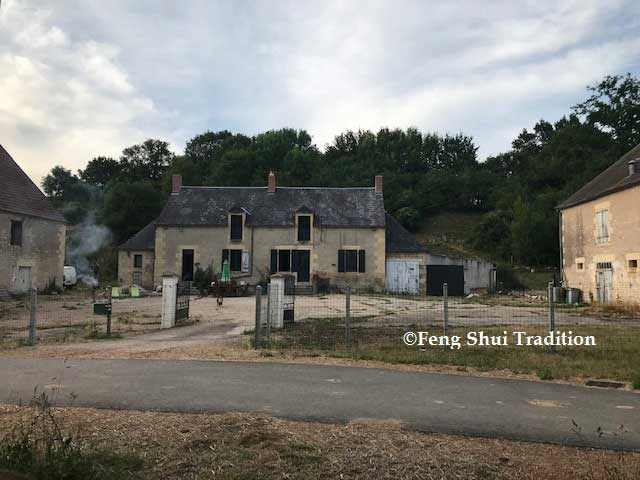
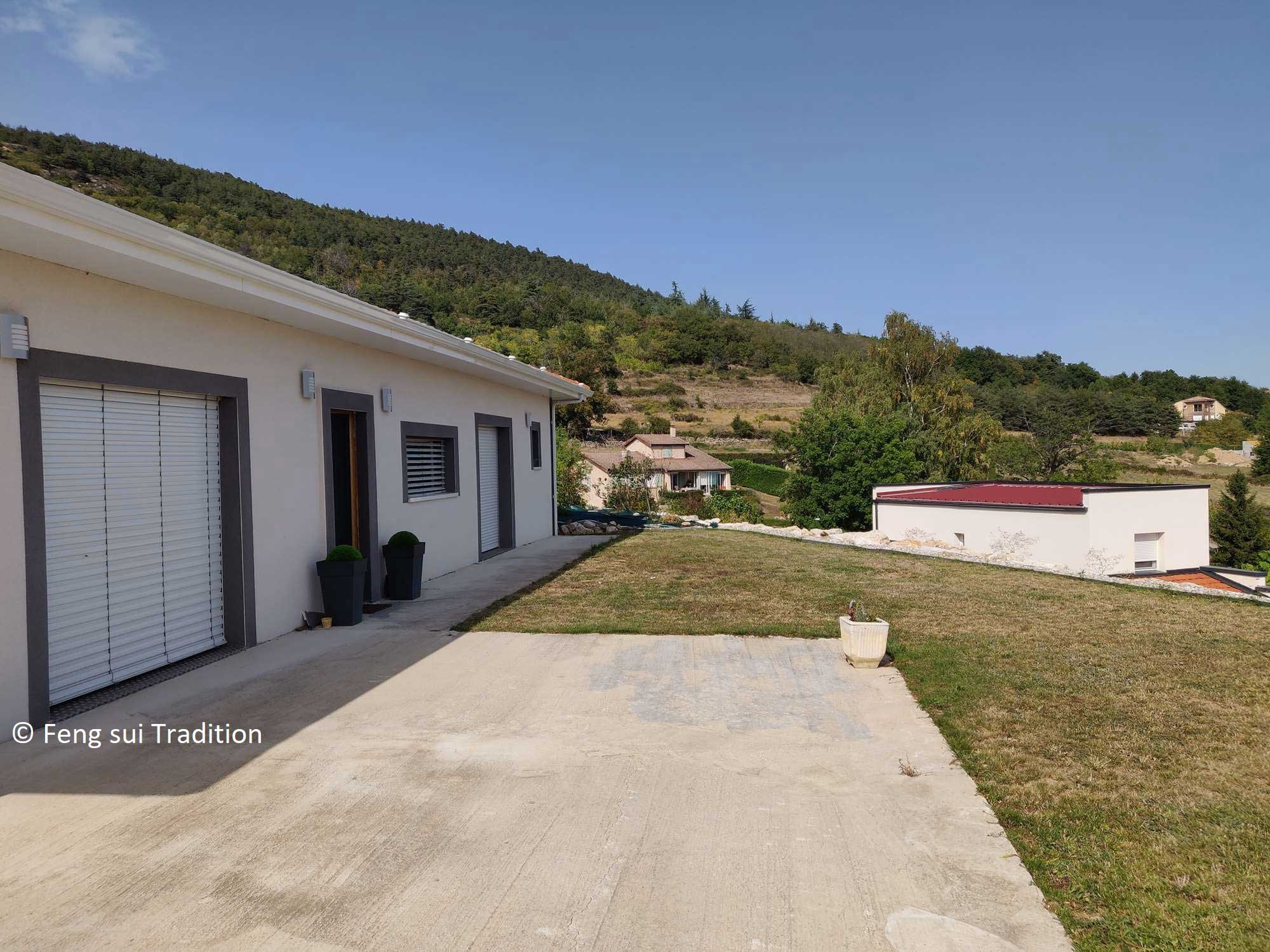
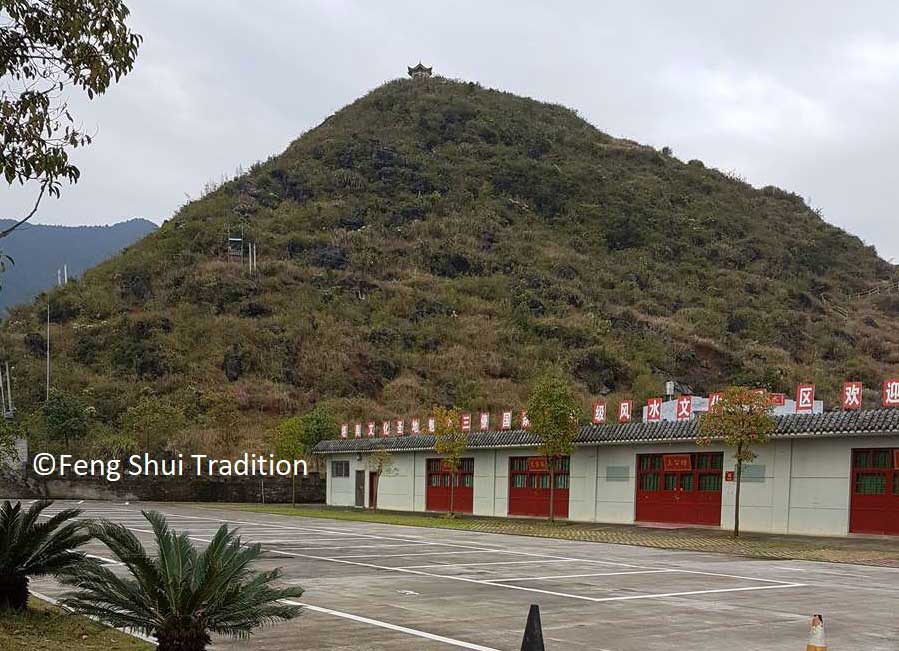
It is the most important celestial animal in Feng Shui and is located at the back of the dwelling. Most often, it takes the form of a mountain or, in an urban environment, another building that serves to protect the rear of the house from harsh winds.

The Black Tortoise supports family stability, health, and financial security. If it is too weak or too strong, the occupants’ health may decline, and the residents may experience difficulties maintaining family stability.

The Green Dragon (Qing Long)

In traditional Feng Shui, the Green Dragon is located to the left of the dwelling when you are standing with your back to it. It may take the form of a mountain ridge or, in an urban setting, a neighboring building.

This animal represents work, professional career, wealth, and the authority of the men in the household. It primarily protects the head of the family. For example, if the mountain on the left is higher than the one on the right, this is considered a favorable sign for prosperity.

The White Tiger (Bai Hu)

In traditional Feng Shui, the White Tiger is located to the right of the dwelling when you are standing with your back to it. Once again, it may take the form of a hill, a mountain, or simply another building.

The White Tiger represents the women of the household, communication, and reputation. It should be higher than your home, but lower than the left side. If this is not the case, family problems, gossip, or scandals may arise.

The Red Phoenix (Zhu Que)

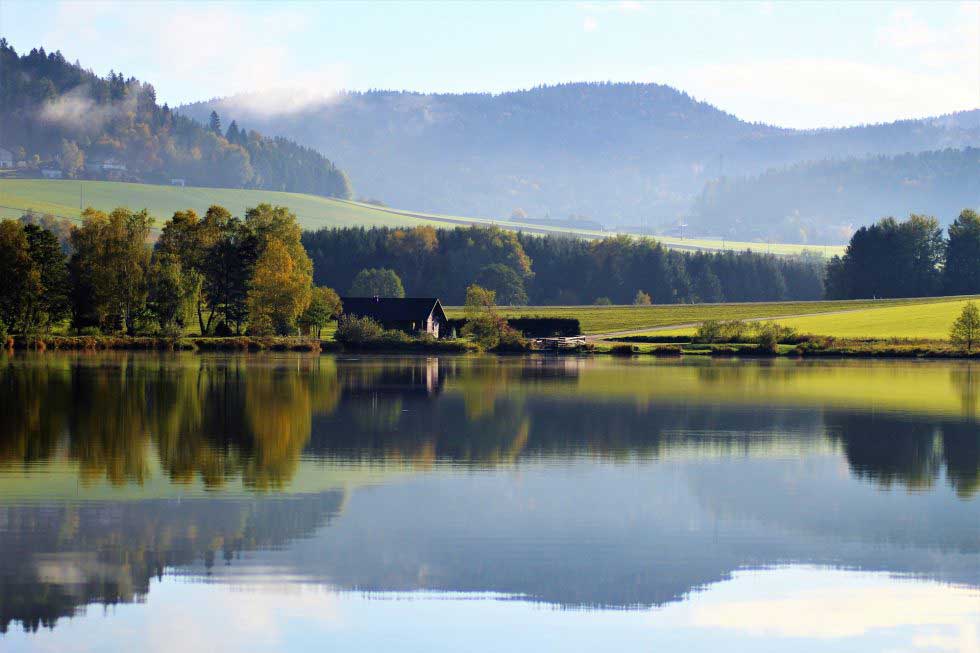
The Red Phoenix is located in front of the dwelling and ideally takes the form of a small, relatively low hill beyond the open space situated in front of the house (a building may also be positioned slightly farther ahead).

It symbolizes harmony between the men and women of the household, as well as future opportunities and prospects. If too many obstacles are present in front, your projects may be destined to fail.

The Ming Tang

This open space located in front of the house should collect Qi, so its configuration must prevent the energy from dispersing too quickly.

The Ming Tang should also be present inside the home—this is what we call the entrance hall. It is where energy gathers before being distributed throughout the rooms.

Product added to wishlist